Foreword
President, The Genron NPO
Has the world really entered an era of powerdriven politics?
Tokyo Conference 2026 confronted the harsh reality of this question head-on. The current clash between political ideologies was symbolized by an exchange between Keith Kellogg, a key figure in the Trump Administration, and Paolo Gentiloni, former prime minister of Italy and a leading figure in European politics, in which the US promoted the realism-based premise of "peace through power," while Europe asserted that accepting that premise will result in a collapse of the international order. The discussion went beyond simple differences in policy and highlighted the conflict between the fundamental ideologies that govern the way the world works ? namely idealism versus realism.
As can be seen in Ukraine, Gaza, and Iran, that conflict is not merely an academic one. The actions of the major powers are already having an increasingly potent influence on the international community, yet the participants in the Tokyo Conference shared the opinion that the world cannot turn a blind eye to the "reality of power" as doing so would result in the world tumbling into chaos. This begged the question of how to maintain order in the world within these two realities.
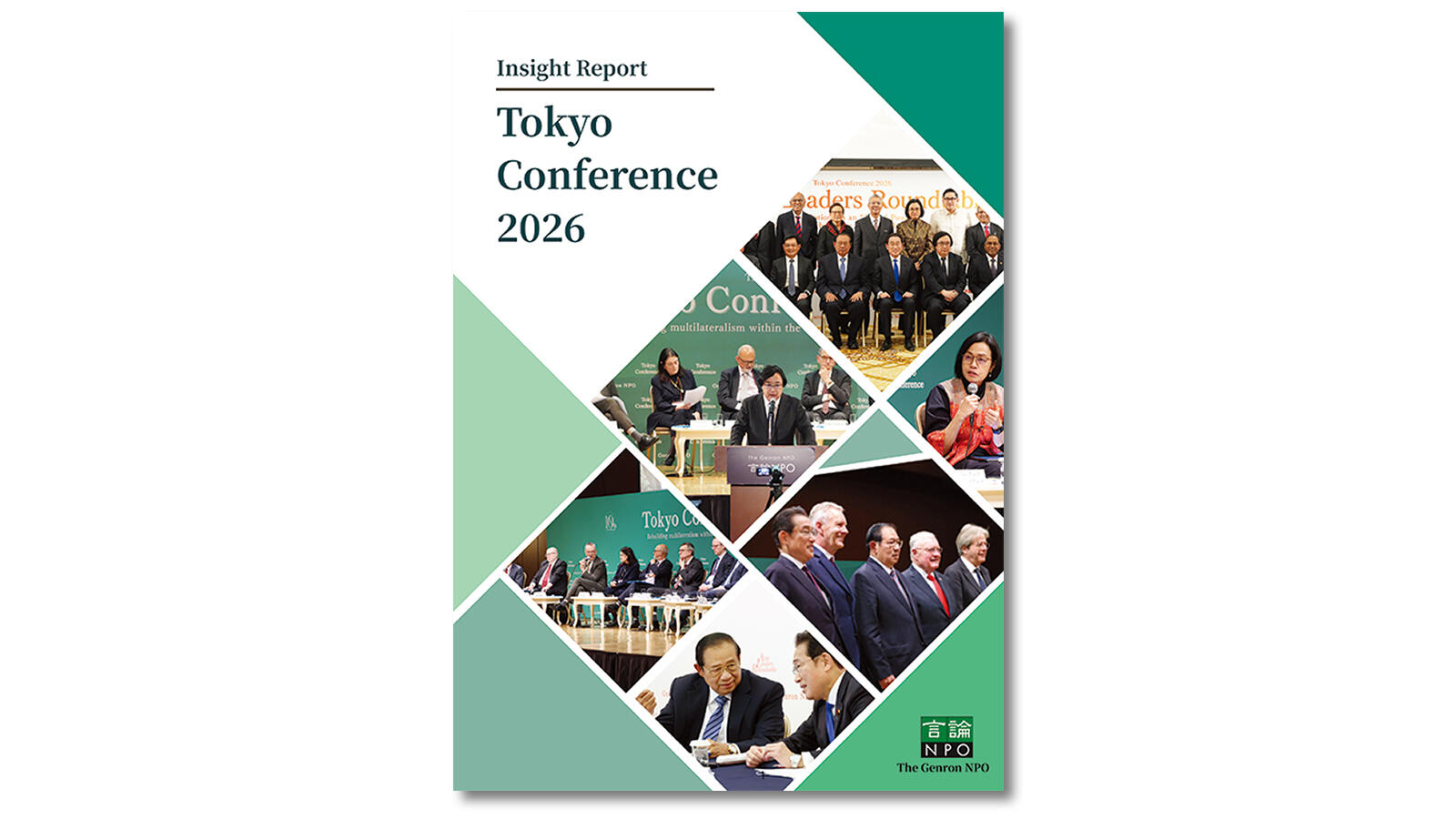
The current situation made the holding of the first Asian Leaders Roundtable during the Tokyo Conference even more significant. Until now. Discussions on how to construct the global order have primarily revolved around Europe and the United States, with Asia being a passive recipient of any decisions made. However, this Japanese platform has provided a means by which the countries of Asia can have their own say and assume their own responsibilities as key players in that process. This shift is symbolized in a
A statement made by former Japanese Prime Minister Fumio Kishida, who said that "Asia should be responsible for the Asian order." Asia stands at the center of global economic growth, and has reached the stage where it too must have a hand in shaping the future of the international order.
Another noteworthy result of the Conference was this year's Chairman's Statement, which clearly advocated against the ready acceptance of the concept of "peace through power" and urged that the world uphold the rule of law and maintain support for multilateralism. The global order will not restore itself; it can only be maintained by those involved making the correct choices and putting their words into action.
But what must the world do to come up with a solution? First, we must directly confront the reality of power-driven politics and consider how to build a framework that prevents the world from slipping into chaos. Second, we must ask who will take on that role of re-building the order, as we dare not entrust that responsibility solely to the major powers. The middle powers of the world, including Japan and other Asian countries, must actively contribute to this effort or the global order will become a hollow shell of what it needs to be. Third, we must determine how to build a bridge between the idealists and the realists rather than pitting them against each other.
Tokyo Conference 2026 did not present clear and concrete solutions, but it does represent a major step forward towards finding such solutions as it highlighted the real issues the world is facing, and provided a direction for the world to take going forward. Cooperation is not something that comes naturally to countries in an era of growing division, and it is for that very reason that we must actively endeavor to design and support means through which cooperation can be achieved.
This discussion may have begun in Tokyo, but it is only the first step in what will surely be a more extensive effort in the future.